
More Than a Zoo

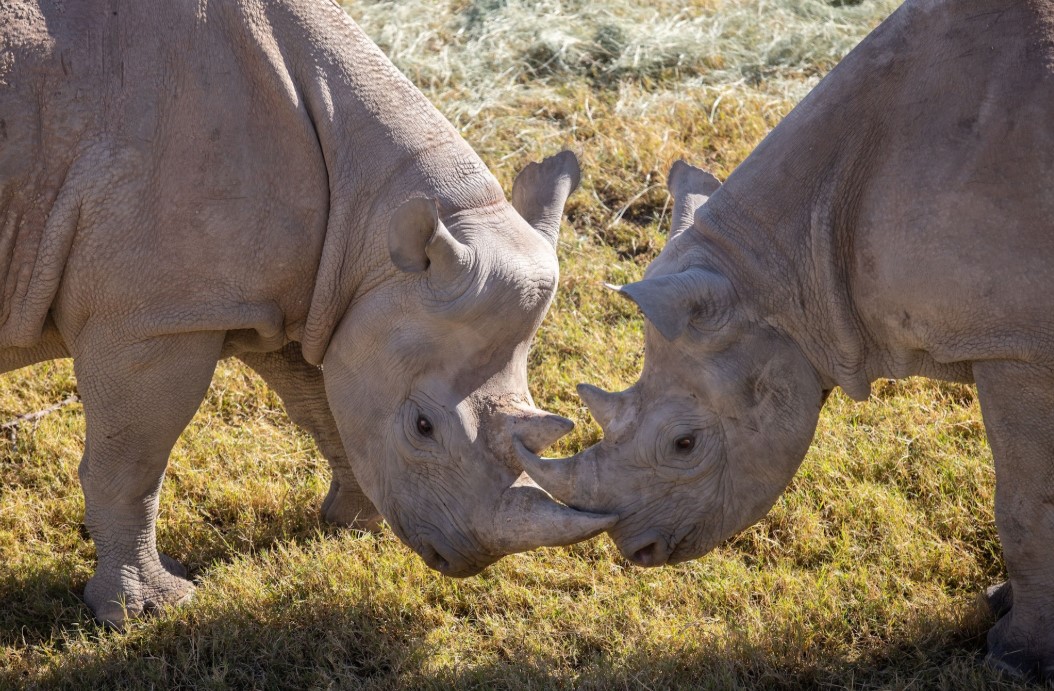
Winter
This winter, Living Desert Zoo and Gardens highlighted both milestones and moments of reflection across its conservation work. Guests saw Black Rhinos Nia and Jaali interact as a potential breeding pair. The rhinos support global efforts to protect this critically endangered species. The zoo's veterinary teams also X-ray technology to monitor the health of Cape vultures as part of ongoing avian care. In response to concerns about avian influenza, the zoo also increased monitoring of bird species that could be impacted by bird flu during 2025, emphasizing prevention and early detection. The season was marked by the sad loss of a Mexican wolf, a reminder of the challenges involved in caring for endangered animals, even with expert attention. Alongside these events, Living Desert continued its desert tortoise head-starting program, raising young tortoises in protected conditions before releasing them into the wild to strengthen native desert populations.
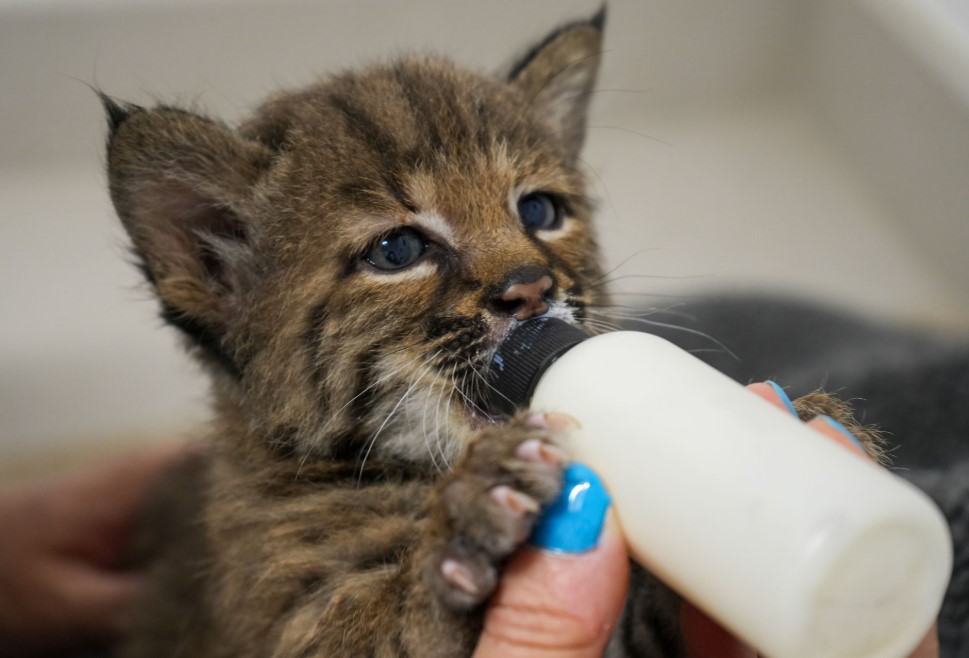
Spring
Spring at the Living Desert Zoo and Gardens was a season of new life and conservation progress, marked by the birth of several animal babies, including two pronghorn fawns and a yellow-footed rock wallaby joey. The arrival of two baby bobcats brought excitement and hope, even as the zoo mourned the loss of its nearly 23-year-old bobcat, honoring a long life under dedicated care. Conservation successes extended beyond the main campus to the Desert Carnivore Conservation Center, where staff celebrated the arrival of a new sand cat and its careful introduction to a potential mate, supporting breeding efforts for this elusive species and reinforcing the zoo's commitment to protecting desert wildlife. The zoo also opened the new Bighorn Cafe and Splash pad to visitors.
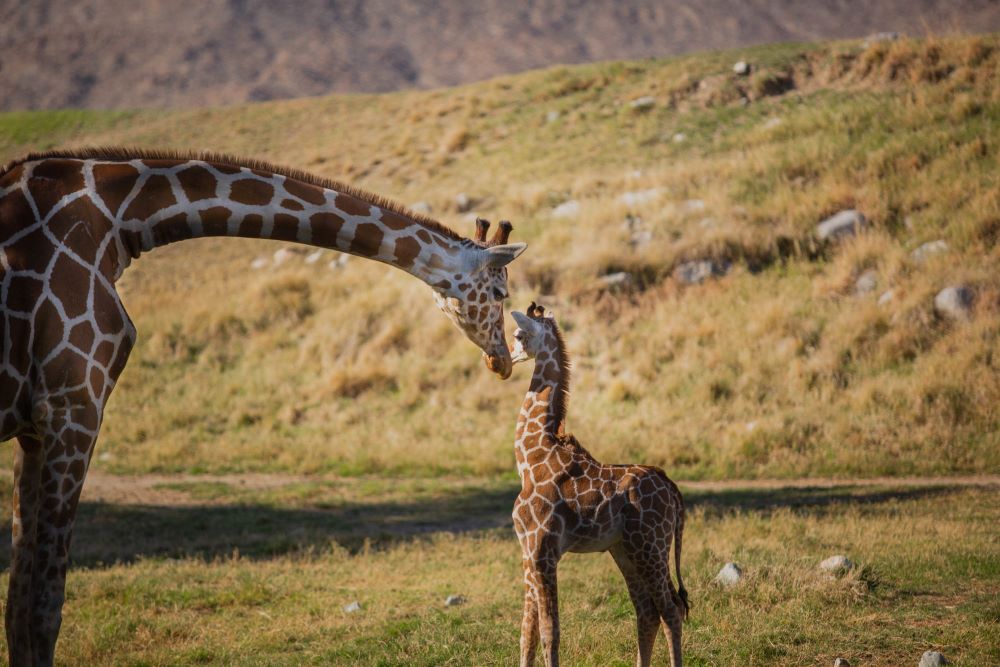
Summer
Summer at the Living Desert Zoo and Gardens spotlighted expert care and global conservation impact. The season welcomed a new senior veterinarian, Dr. Yousuf Jafarey, who quickly became part of the animal health team and conducted exams, including a notable cheetah checkup. Behind the scenes, desert tortoises in the head-starting program continued to grow strong and healthy before being transferred to their next stage at Edwards Air Force Base, supporting long-term species recovery. Conservation stories also reached far beyond the desert, with highlights on African wild dog conservation and international efforts to combat cheetah trafficking in Somaliland. The summer concluded with joyful news in September, as two baby giraffes were born, adding to a season defined by growth, collaboration, and conservation success.
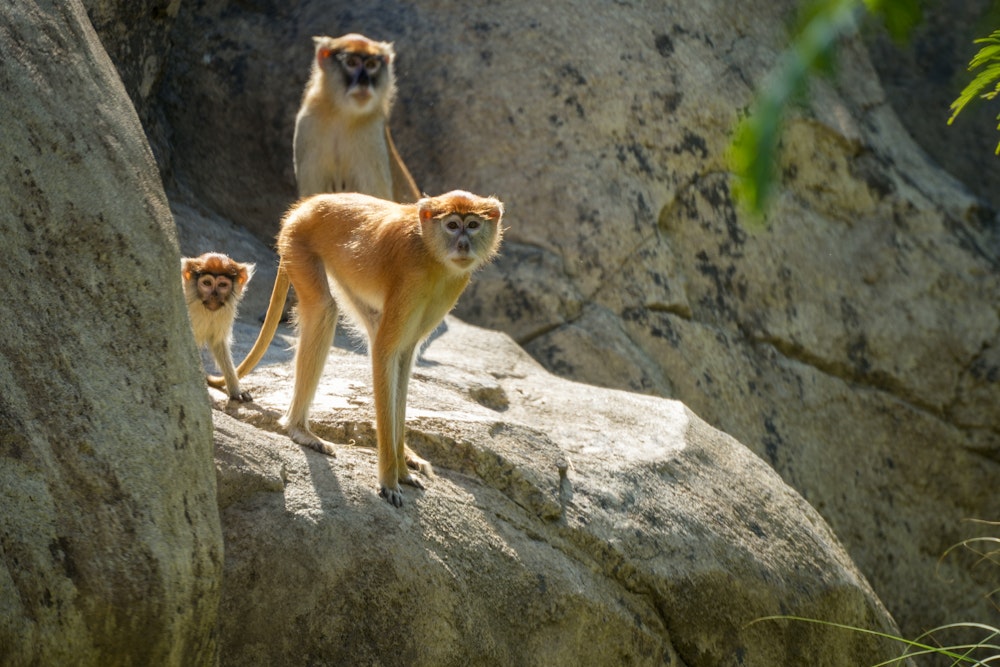
Fall
Fall at the Living Desert Zoo and Gardens showcased growth, discovery, and a look toward the future. The season followed the continued development of the bobcat kittens and the yellow-footed rock wallaby joey as they grew stronger and more independent. Guests were introduced to primates at the zoo for the first time with the arrival of patas monkeys, expanding the zoo's animal family. Fall also invited exploration of the many acres of the zoo's gardens and their farm-to-table browse program, which provides fresh, sustainable food for the animals. From the detailed model train exhibit to conversations about what's ahead—including plans to welcome lions in 2027—the season reflected both the zoo's present achievements and its exciting future.
Coming Soon
New content is on its way. Check back soon for the latest stories.
loading...